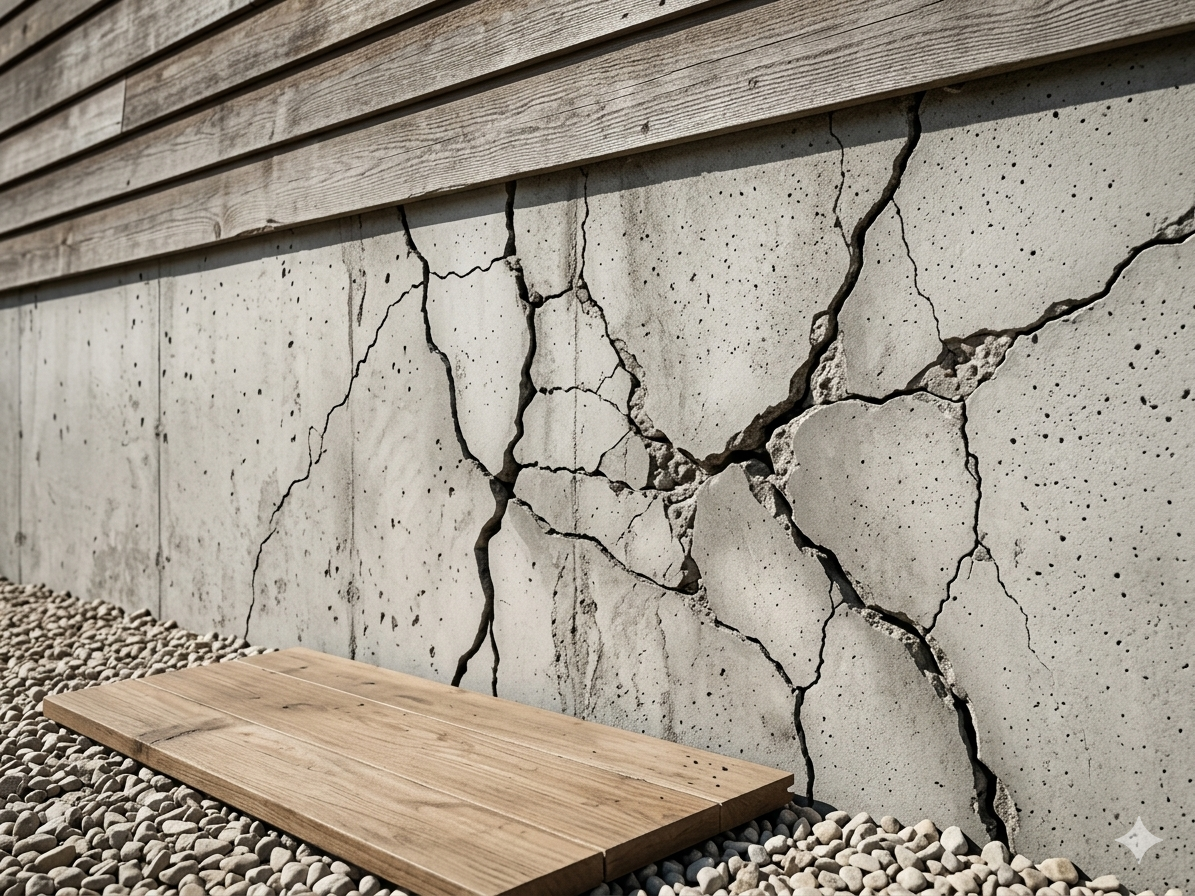
Symptom · moisture
Crawl Space Moisture
Short answer
Crawl space moisture in Arkansas is driven by humid outside air entering through vents, condensing on cool surfaces, and saturating wood. The permanent fix is encapsulation: sealing the envelope, vapor barrier, and dehumidifier.
HIGH: Persistent moisture causes structural damage and indoor air quality issues.
What it is
A wet crawl space ranges from visible standing water to elevated humidity. Either condition drives mold, joist rot, structural decay, and elevated cooling costs.
What causes it
- Humid outside air entering ventsIn Arkansas summer, vented crawl spaces become condensation chambers.
- Inadequate vapor barrierSoil moisture rises into the air without a sealed barrier.
- Plumbing leaksSlow leaks can saturate the crawl space without detection.
Diagnostic checklist
- Use a hygrometer to measure relative humidity
- Check joists and beams for soft spots, dark staining, or visible mold
- Inspect for standing water
When to call a professional
Call when humidity readings exceed 60%, when wood appears stained or soft, or when standing water is present.
DIY vs professional
A simple plastic sheet on the floor is not encapsulation. Pro-grade includes wall liner, vent sealing, dehumidification, and termite-coded gap.
Arkansas context
Arkansas' Cfa humid subtropical climate makes our state ground zero for crawl space moisture problems.
FAQ
-
Properly designed encapsulation eliminates mold by removing the moisture and conditioning the air.
Severity
high
Persistent moisture causes structural damage and indoor air quality issues.
Recommended services
- Crawl Space EncapsulationSeal out moisture, mold, and pests with a Class A 20-mil vapor barrier system.
- Crawl Space RepairStabilize sagging beams, rotted joists, and failing piers in your crawl space.
- WaterproofingInterior and exterior basement & foundation waterproofing systems.
- Drainage SolutionsFrench drains, surface grading, and gutter management to protect your foundation.